Quick battery assessment
Share a few details and we will advise whether a battery suits your home and tariff.
What a solar battery actually does
A solar PV system generates electricity when there is daylight. Without a battery, any surplus solar you do not use at that moment is typically exported to the grid. A battery stores part of that surplus, then releases it later when your home needs power. The practical outcome is simple: you import less electricity from your supplier during evenings and early mornings.
Battery storage is not a magic switch that makes winter bills disappear. Irish generation is seasonal, and short, dark days mean solar output is lower in winter. A battery is most useful when your household produces strong daytime surplus in spring and summer and has meaningful evening usage. In many Dublin households, that means cooking, laundry, hot water top-ups, and entertainment hours.
In 2026, more customers are also looking at batteries because of smart tariffs. With the right controls, some systems can charge the battery from cheaper off-peak electricity as well as solar. We explain this carefully during quoting so you understand the savings drivers, and so the system is configured safely and within manufacturer guidance.
When battery storage tends to make sense
- Evening demand is high, for example family cooking and appliances after work and school.
- You already have solar PV and you export a lot during sunny months.
- You are planning an EV and want more control over charging costs and timing.
- You are on, or moving to, a smart tariff and want to shift some usage away from peak times.
Battery storage and expectations in Ireland
We set expectations early so customers are not disappointed. A battery primarily improves how much of your solar you use yourself. That can reduce imports, protect you from peak pricing, and make solar feel more effective day to day. The savings depend on how often the battery cycles, how full it gets in summer, and how your household uses electricity.
For Dublin and the East Coast, performance is often very good, but roof shading, panel orientation, and household routines matter. If your roof is strong south or south-west and you have regular daytime generation, a battery can smooth out usage and keep more energy on site. If your daytime generation is limited, you may be better investing in optimising panel layout first.
Store excess solar and use it later to reduce imports during peak hours.
If there is little surplus, battery cycles are limited and savings can be modest.

Battery sizing: a practical guide
When people search for solar battery storage Ireland, the next question is nearly always “What size battery do I need?” The right answer depends on two things: your usable solar surplus and your evening and overnight demand. Oversizing can leave you with unused capacity, while undersizing can limit the benefit. We size batteries based on data, not guesswork.
Typical battery ranges (illustrative)
These ranges are not a promise of savings. They show how we think about sizing. The best fit for your home depends on roof generation, tariff, and habits. We confirm after a survey and a look at your usage.
| Household profile | Common solar PV size | Typical battery range | Why it fits |
|---|---|---|---|
| Couple or small family | 3 to 4 kWp | 5 to 7 kWh | Covers typical evening loads without overbuying capacity. |
| Busy family, higher evening use | 4 to 6 kWp | 7 to 10 kWh | Stores more summer surplus for cooking and appliances later. |
| Home office + EV plan | 5 to 6 kWp | 10 to 15 kWh | Useful where load shifting and off-peak charging are priorities. |
| Existing PV retrofit | Varies | Case-by-case | We check inverter compatibility and export settings before advising. |
Battery retrofit vs battery-ready installs
If you already have solar PV installed, a battery retrofit may still be possible, but the approach depends on your inverter type, available space, and how the system is wired. Some systems are designed as battery-ready from day one, which can make upgrades simpler. We assess compatibility carefully so you avoid spending money twice.
If you are installing solar for the first time, we can design a battery-ready system even if you do not want the battery immediately. That keeps your options open while you see how your household uses the generated energy.
Read about PV installation design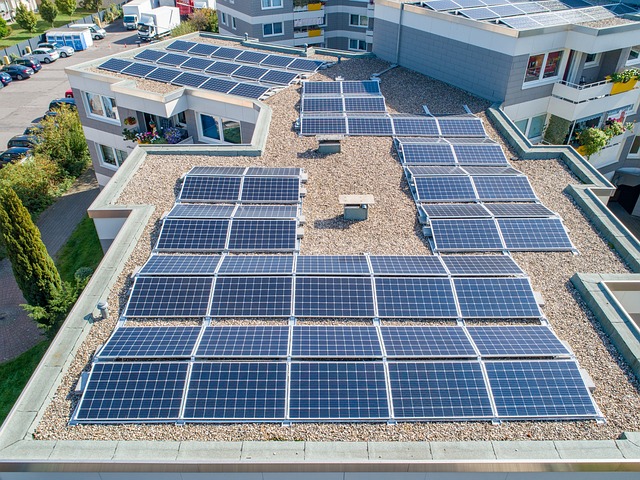
Safety and compliance
Battery storage must be installed with correct isolation, cable protection, ventilation requirements, and manufacturer-approved commissioning. We prioritise neat workmanship and documentation that supports warranties and future servicing.
How we design for better self-consumption
The best battery outcomes come from the whole system working together. We look at panel layout, inverter sizing, battery capacity, and how your household uses electricity. In Dublin, we often see strong daytime generation on clear days, but the household may be empty or busy elsewhere. A battery can bridge that gap, but it needs to be paired with practical steps such as scheduling appliance use, setting immersion priorities correctly, and reviewing export settings.
We also discuss whether it is better to allocate budget to more panels, a battery, or a mix. Sometimes a slightly larger PV array can provide more annual energy than a larger battery. Other times, a moderate battery delivers a better day-to-day experience by reducing evening imports. The right choice depends on your roof, your tariff, and your comfort level with monitoring and optimisation.
Costs, value, and honest payback talk
Battery pricing depends on usable capacity (kWh), power output (kW), brand and warranty terms, and how it integrates with your inverter. A battery can improve savings by increasing self-consumption and reducing imports at higher tariff times. The financial case is strongest where there is consistent surplus solar in spring and summer and meaningful evening demand, or where a tariff allows sensible load shifting.
We avoid broad claims because every home is different. Instead, we explain what you can control: how much solar you generate, how much you use during daylight, whether you export a lot, and how your tariff is structured. If you want a full view of system costs, grant support, and payback for solar PV as a whole, our cost page lays out realistic 2026 ranges and examples for Ireland.
Questions we answer on every battery quote
- How much solar surplus do you typically export on brighter days?
- What is your evening usage pattern from 5 pm to midnight?
- Do you plan to add an EV charger, heat pump, or immersion diverter?
- Is it a new installation, or a retrofit to an existing solar PV system?
If you have past bills or a smart metre report, it can help with accuracy, but we can start with rough figures and refine after the survey.
Local knowledge matters
Many of our battery enquiries come from Dublin 3, Clontarf, and North Dublin, where homeowners have good roof exposure but want more control over evening bills. Coastal weather can bring quick changes in irradiance, which makes good inverter and battery configuration important. We set up monitoring so you can see what is happening, not guess.
We also keep battery installations tidy. Units are placed with safe clearances, cable routes are protected, and isolation is clearly labelled. You will receive a handover that explains the system, the app, and the basics of how to optimise usage through the year.
Clear labels, app set-up, and practical guidance so you can optimise use.
8+ years installing solar PV systems in Dublin and across Leinster.
Ready to see if a battery suits your solar setup?
If you are based in Dublin or Leinster, we can complete a free site survey and return a clear quote. We will explain expected benefits, any limitations, and whether you should prioritise panels, battery storage, or a staged plan. If you are applying for the SEAI solar PV grant for a new system, we can guide the process alongside the PV design.
- Clear, written scope
- Advice on smart tariffs
- Tidy install and handover
- Local Dublin 3 support
By contacting us, you agree to our Privacy Policy.
Battery storage FAQs
Straight answers for homeowners comparing battery storage in Ireland. For a tailored recommendation for your home in Dublin, Wicklow, Meath, Kildare, or Louth, contact SunField and we will advise.