What this page covers
- How the SEAI solar PV grant is calculated in 2026 (plain English)
- Eligibility rules and typical “gotchas” that cause delays
- Step-by-step process from application to payment
- How to maximise value: system sizing, self-consumption, export
Need help quickly? Send your Eircode and a photo of your meter cabinet and roof section (if available). We will confirm whether your home looks suitable and what grant path applies.
By contacting us, you agree to our Privacy Policy.
Related guides
- Solar panels cost Ireland (2026) Pricing, savings, payback
- Solar battery storage Sizing and use cases
- Solar panels Dublin Local advice and examples
How much is the SEAI Solar Electricity Grant in 2026?
In 2026, the SEAI Solar Electricity Grant for solar PV remains available with a maximum support value of up to €1,800. The amount you can claim depends on the installed solar PV capacity (measured in kWp). The simplest way to think about it is: the grant supports the early portion of a typical domestic system, then caps out once the system reaches the maximum supported size.
For homeowners comparing solar panel installation Ireland quotes, this matters because two quotes can look similar while the grant calculation differs. We always specify system size clearly and show what grant level should apply, so you are not left trying to interpret technical shorthand. If you are based in Dublin 3, Clontarf, or anywhere on the Northside, we can confirm a likely system size after a brief survey of roof space and shading.
2026 grant breakdown (as commonly applied)
The grant is commonly described using per-kWp bands, with the combined total capped at €1,800. Exact SEAI rules and values can change, so we confirm against current SEAI guidance when preparing your paperwork. The figures below reflect the 2026 structure referenced by most applicants and installers.
| Solar PV capacity band | Typical grant rate | Notes |
|---|---|---|
| First 2 kWp | €700 to €900 per kWp | Higher rate applied to initial capacity |
| Additional kWp (up to 4 kWp total) | €200 to €300 per kWp | Lower rate for extra capacity within cap |
| Maximum supported grant | Up to €1,800 | Cap applies even if system is larger than supported size |
Practical takeaway: many Dublin homes end up in the 3.6 kW to 6 kW range depending on roof space. You can still install a larger system if it suits your usage, but the grant caps at the maximum. We help you decide whether additional panels beyond the supported threshold still make sense for bill reduction and export.
Who is eligible for the SEAI solar PV grant?
Eligibility is designed to support existing homes rather than brand-new builds. In 2026, a common requirement is that the home was built and occupied before 2021. The grant is for domestic properties in Ireland and the application must be completed before installation work starts. You also need an SEAI-registered installer to carry out the work and provide the documentation required for grant payment.
If you are in Dublin 3, Clontarf, or North Dublin, the housing mix includes older terraces, semis, and newer estates. Each can be suitable, but eligibility and feasibility are different topics. Eligibility is about grant rules. Feasibility is about roof condition, shading (trees, chimneys, neighbouring buildings), and electrical safety. We check both, because a grant-approved project still needs to perform well for years.
Typical eligibility checklist
- Property in Ireland and used as a home
- Built and occupied before 2021
- Application submitted before installation begins
- Work completed by SEAI-registered installer
Common reasons applications stall
- Work starts before the SEAI application is submitted
- Missing or unclear proof of home build/occupancy date
- Documentation not matching the installed system size
- Installer not correctly registered for the scheme
Important: the grant is not the whole decision
The SEAI grant improves the upfront cost, but the long-term value comes from system design and how you use the energy. A household that runs laundry, dishwasher, and immersion during daylight can see stronger returns than a similar home that uses most electricity after dark. In Dublin and along the East Coast, seasonal variation is real. We set expectations honestly, then show how to optimise your self-consumption so you get more out of every kWh.
Timeline: what happens after you apply?
Most grant-related stress comes from not knowing what happens next. The process is not complicated, but it does have rules. The main rule is simple: the SEAI application is made first, then installation begins. After installation, the system is commissioned and documented, and then the required completion evidence is submitted for grant payment.
From a practical point of view in Dublin and Leinster, we advise customers to allow time for survey scheduling, any minor electrical upgrades that may be needed, and the grant confirmation window. We keep you updated as the job progresses. You will also receive a handover that explains how to read your monitoring app, how to maximise self-consumption, and what to do if you suspect something is not performing as expected.
What you will receive from SunField
- Written scope and system details (kWp, inverter, optional battery)
- Commissioning and safety documentation explained clearly
- Monitoring set-up, plus a quick walk-through for everyday use
- Local support from Dublin 3 for follow-ups and questions
Will the SEAI grant stay at €1,800 throughout 2026?
In 2026, the SEAI solar PV grant remains available with a maximum of €1,800. While no one can promise what policy will do years ahead, it is sensible to plan with the current published support in mind and avoid unnecessary delays. Many homeowners are also aware of the wider policy discussion about how supports may evolve later in the decade. If you are considering solar anyway, getting your application and installation completed sooner reduces the risk of missing out if rules change in the future.
This is not about pressure. It is about avoiding wasted time when you have already decided solar makes sense for your home. If you are in Dublin or Leinster, we can usually complete a site survey quickly and provide a clear quote within 48 hours where possible. That gives you enough information to decide without rushing.
Domestic solar PV
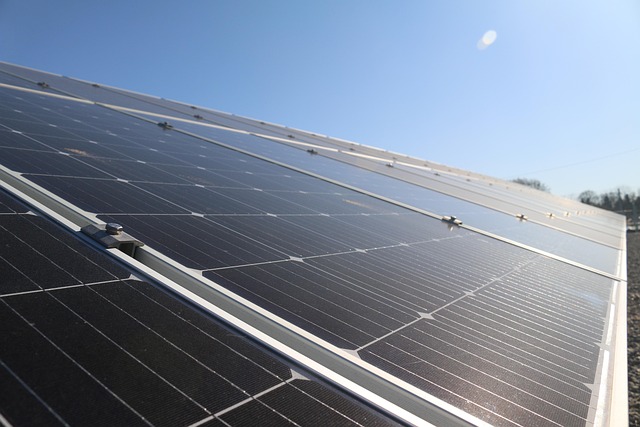
For most homes, the grant is one part of the total value. The other parts are 0% VAT on solar, better self-consumption, and choosing a system size that matches your habits.
View costs and savings
Battery storage
Battery storage can help households with evening demand and time-of-use tariffs. We explain when it improves payback and when it is optional.
Learn about batteriesLocal note for Dublin 3 and coastal areas
Homes around Clontarf and Dublin 3 often have a mix of roof orientations and occasional shading from mature trees. Coastal weather also means fixings, cable routes, and roof penetrations must be done carefully. We use a survey-first approach so your SEAI grant paperwork matches a system that is actually suited to the site. This protects both the grant claim and the long-term performance.
Ready to claim the SEAI solar PV grant and install solar properly?
Get a free site survey and a grant-ready quote. We will explain system size, the likely grant value, and realistic savings for your household. Strong coverage in Dublin 3, Clontarf, North Dublin, and across Leinster.
- No pushy sales visits
- Paperwork guidance included
- Clear scope and timeline
- Local Dublin 3 team
By contacting us, you agree to our Privacy Policy.
SEAI Solar PV grant FAQs
These answers are written for homeowners comparing solar installers in Dublin and across Ireland. If you want us to review your specific situation, contact SunField and we will respond quickly.